
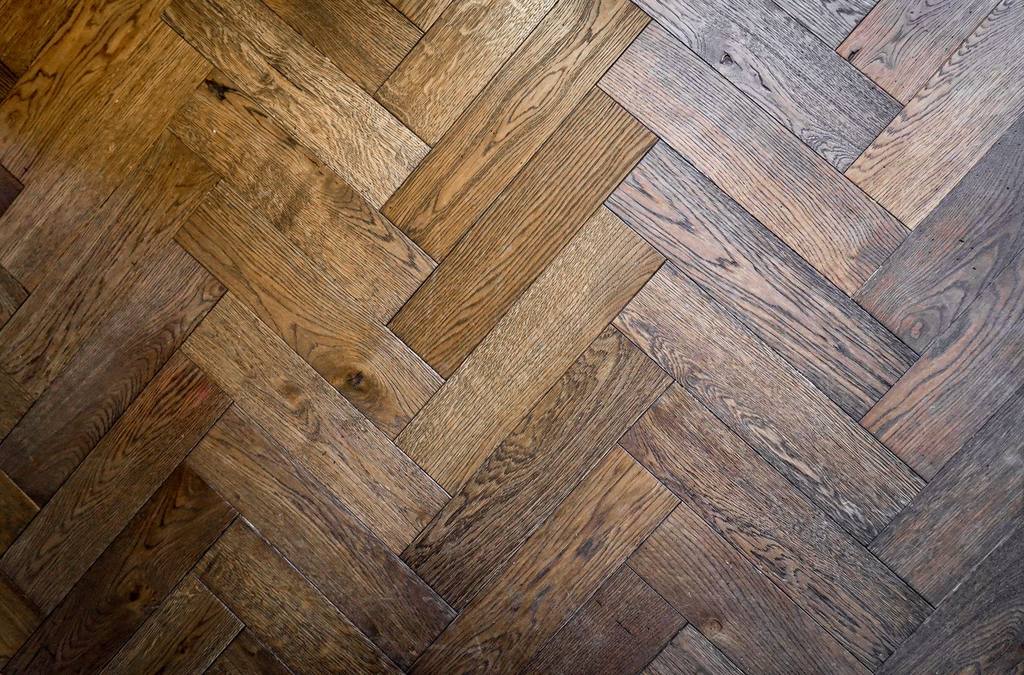
Photo by Magda Ehlers on Pexels.
London flooring jobs fail in quiet ways. A herringbone pattern that looks immaculate on day one can cup, gap or sound hollow six months later if the subfloor was uneven, the concrete was still drying, or the wrong product was laid in a humid basement conversion. Hiring well is less about finding the cheapest square-metre rate and more about finding a contractor who will refuse to lay until the substrate is ready.
This guide sets out how to choose between common floor types using published 2026 cost figures, what to insist on before installation, how to vet the business, and how UK consumer law protects you if the work is poor. Sources were checked on 19 October 2026.
Published cost guides for 2026
Checkatrade's wooden flooring cost guide (last updated June 2026, verified by RICS and CIOB-member estimators) gives these average material and installation figures:
- Solid hardwood: materials from about £80+ per m²; installation roughly £35 to £60 per m²
- Engineered wood: materials around £50 per m²; installation around £45 per m²
- Softwood (pine): materials around £30 per m²; installation around £45 per m²
- Laminate: materials around £30 per m²; installation around £30 per m²
- Luxury vinyl tile (LVT): materials around £35 per m²; installation around £45 per m²
- Fitter day rate: in the region of £250
Its companion laminate fitting guide (tables updated March / June 2026) puts average supply-and-fit laminate at about £60 per m², with fitting alone £15 to £40 per m² or roughly £240 to £300 per day, underlay around £7.50 per m², carpet removal around £7 per m², new skirting about £22 per linear metre, door trimming about £30 each, and floor-levelling screed roughly £6 to £30 per m². Worked examples for a 3-bed semi (supply and labour) include about £1,235 for a 19m² living room in laminate, £1,805 in engineered wood and £2,470 in solid hardwood - rising to roughly £5,850 / £8,550 / £11,700 for a whole 90m² house.
These are national ballparks. Expect London labour, parking and disposal to push quotes toward the upper end, and complex herringbone or border work to cost more than a straight plank run.
Engineered, solid, laminate or LVT - choose for the room, not the brochure
Solid wood can be sanded and refinished many times over a long life, but it expands and contracts with humidity. In a centrally heated London terrace, or over underfloor heating, that movement needs careful acclimatisation, expansion gaps and a contractor who will say no when conditions are wrong.
Engineered wood uses a real-wood wear layer over stable plywood or HDF. Checkatrade notes it is typically less sensitive to moisture than solid timber and is widely used where underfloor heating is present - subject always to the manufacturer's maximum temperature and the fitter's moisture tests. Wear-layer thickness decides how often you can refinish.
Laminate is the budget wood-look option. It cannot be refinished like real timber; Checkatrade's comparison pieces put typical lifespan in a shorter 10 to 20 year band versus engineered boards that can exceed 30 years when well specified. It still needs a sound, dry, level subfloor and the right underlay - especially in flats, where acoustic performance matters to neighbours below.
LVT suits kitchens, utility rooms and rental turnarounds where splash resistance matters more than a sandable timber surface. It is not a shortcut around subfloor preparation: telegraphing joints and hollow spots show every undulation beneath.
The subfloor and moisture traps London fitters should never skip
Ask, in writing, what the contractor will measure and record before boards leave the packs:
- Moisture of the subfloor - particularly new screeds and ground-floor slabs in Victorian conversions. Laying over a damp slab is a classic cause of cupping and adhesive failure.
- Flatness - Checkatrade's laminate extras list floor-levelling screed for a reason. Spot the hollows with a long straight edge; do not accept "it will settle".
- Existing floor coverings - whether carpet, vinyl or old adhesive will be fully removed and disposed of, and whether that is in the price.
- Acoustic underlay in flats - many leases and freeholders require a specified impact-sound performance. Confirm the product meets it before ordering.
- Underfloor heating - maximum surface temperature, whether a glued or floating system is approved, and a recorded heat-up protocol after laying.
- Expansion gaps and thresholds - how door frames will be undercut, and who supplies trims between rooms.
A contractor who shrugs at moisture readings, or who wants to lay the next day on a screed poured last week, is telling you how the job will age.
Red flags when you take quotes
- Only one total price, with no m² rate, product names, underlay brand or preparation items
- Pressure to pay most of the sum before materials arrive
- Reluctance to visit and measure - flooring quoted from a phone photo alone
- Claims of "commercial grade" or "lifetime guarantee" with no written terms
- A different trading name on the van, the invoice and the bank account
- Reviews that cannot be matched to a real Companies House entity or a TrustMark listing
Vetting the contractor
- Companies House. If they trade as a limited company, search find-and-update.company-information.service.gov.uk. The name and number on the quote should match; overdue accounts or a trail of recently dissolved companies under the same directors deserve questions.
- TrustMark. Confirm any claimed registration on TrustMark's homeowner search against the trading name and address on your paperwork.
- Insurance and method. Ask for public liability details and a short written method statement covering moisture testing, acclimatisation days, adhesive or floating system, and aftercare.
- Evidence of similar work. Request photos of preparation - levelling compound, membrane, expansion gaps - not only glossy finished rooms. For parquet, ask how many similar London patterns they have set out.
- Product accountability. The quote should name the board or tile range, pack size, waste allowance (often 8 to 12 per cent for patterned layouts), and who owns leftover materials.
Deposits, contracts and your rights
Citizens Advice guidance before you get work done is blunt: do not pay everything up front; where a deposit is needed for materials, keep it as low as you can and avoid agreeing more than 25 per cent; get a receipt; and check for deposit insurance or an FCA-registered escrow scheme. For flooring, a practical structure is a modest deposit to order materials, a payment on delivery of sealed packs to your address, and the balance on completion of each floor or the whole job after a snagging walk-through.
Under the Consumer Rights Act 2015, section 49, a trader must perform the service with reasonable care and skill. What they tell you about the product and method can become binding under section 50. If you agree the contract away from their premises - for example in your home - the Consumer Contracts Regulations 2013 generally give a 14-day cancellation period for services, unless you ask them to start early in writing.
Paying a substantial sum by credit card can add Section 75 protection where the item costs more than £100 and no more than £30,000 - see Citizens Advice on card and PayPal refunds.
If the floor fails
Photograph and date every defect, keep packs' batch labels, and write to the contractor referring to the agreed specification. Citizens Advice on problems with home improvements sets out the sequence: ask them to put it right within a reasonable time; if they cannot or will not, negotiate a partial or full refund (payable within 14 days of agreement); then consider the trader's trade-body complaints process, alternative dispute resolution, or Trading Standards via the Citizens Advice consumer service for unsafe or sharp practice.
The dull truth of a good London flooring job is measurable: moisture readings on file, a level substrate, named products, and a contractor who would rather delay a week than lay onto a damp slab.
Sources checked on 19 October 2026: Checkatrade wooden flooring costs (June 2026); Checkatrade laminate flooring fitting costs; Checkatrade, Laminate or wood flooring; Citizens Advice, Before you get work done on your home; Citizens Advice, Problem with home improvements; Consumer Rights Act 2015, s.49; TrustMark; Companies House. Prices are national guide figures; London quotes vary. Nothing here is legal advice.
Quick answers
How much does wooden flooring cost to supply and fit in 2026?
Checkatrade's wooden flooring guide (table last updated June 2026) lists typical material averages of about £50 per m² for engineered wood, £80+ per m² for solid hardwood, £30 per m² for laminate and £35 per m² for LVT, with installation often around £35 to £60 per m² for solid and about £45 per m² for engineered. Its separate laminate guide puts supply-and-fit at roughly £60 per m² on average. London rates tend to sit at the upper end.
Is engineered wood better than solid wood in a London flat?
Often, yes for stability. Engineered boards are built in layers and generally move less with central heating and slight moisture changes than solid timber, which is why many manufacturers allow engineered products over underfloor heating where solid wood is restricted. Always follow the specific product's datasheet and the fitter's moisture readings.
How much deposit should I pay a flooring contractor?
Citizens Advice advises against paying everything up front, suggests keeping any deposit as low as possible and not agreeing more than 25 per cent, and recommends deposit insurance or an FCA-registered escrow scheme where a larger sum is unavoidable. Prefer staged payments tied to delivery and completed rooms.