
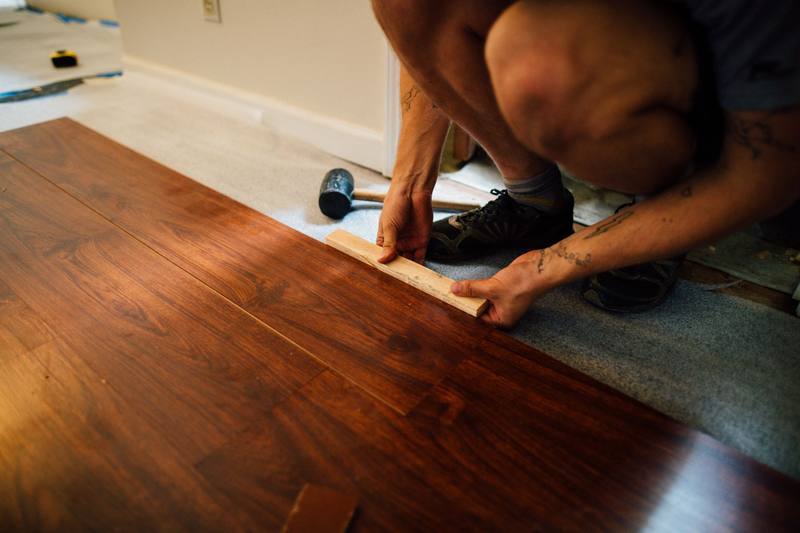
Engineered & solid wood
Floating, glued-down or secret-nailed oak and walnut boards, with acclimatisation, underlay and scotia or skirting finishes handled for you.
Ask about this for engineered & solid wood
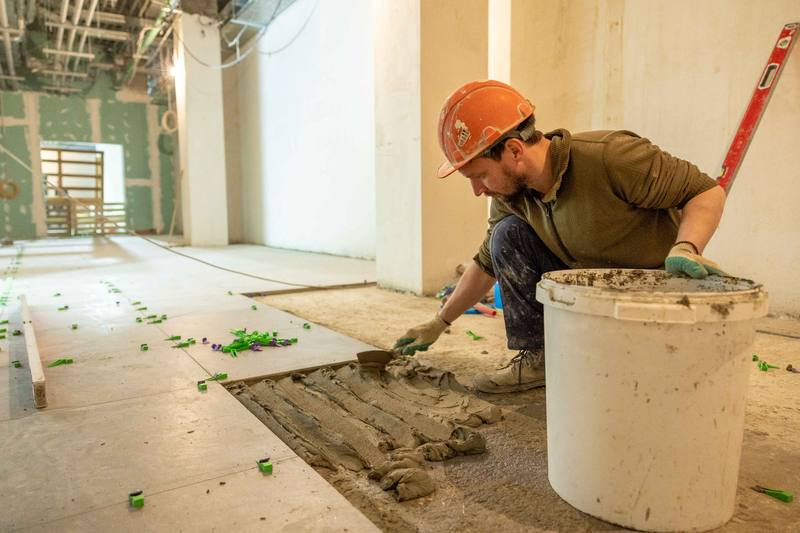
Illustrative stock photos from Pexels. They do not show work by tradespeople reached through this site.
Engineered oak, luxury vinyl tile, herringbone parquet or porcelain: tell us about the rooms and we’ll pass your enquiry to an independent fitter who covers your area. We don’t fit floors ourselves.
Ask for one fitter to handle the prep, the fitting and the finishing trims, so the floor you choose looks right on day one and for years after.
Floating, glued-down or secret-nailed oak and walnut boards, with acclimatisation, underlay and scotia or skirting finishes handled for you.
Ask about this for engineered & solid woodClick and glue-down LVT from brands such as Amtico and Karndean styles, ideal for kitchens, bathrooms and busy hallways where water resistance matters.
Ask about this for luxury vinyl tile (lvt)Precisely set-out herringbone and chevron patterns with borders, centred on the room so the lines run true from the doorway.
Ask about this for herringbone & chevron parquetHard-wearing laminate for bedrooms, lettings and offices, laid over acoustic underlay to cut footfall noise for neighbours below.
Ask about this for laminate flooringPorcelain, ceramic and natural stone tiles laid on decoupling membranes, with matching grout and neat transitions to adjoining floors.
Ask about this for floor tilingSelf-levelling compound, liquid screed, plywood overlays and replacement joists, the hidden groundwork every good floor depends on.
Ask about this for screeding & subfloor repairMost flooring failures come from what’s below: damp concrete, uneven boards or the wrong adhesive. Before anything is laid, the fitter should test moisture, check level across the room and fix the base so your new floor stays flat, tight and silent.
What happens to your enquiry, and the steps a careful fitter follows so you know when each room is back in use.
Tell us which rooms and the floor you have in mind. We try to pass it to an independent fitter who covers your area; we can’t promise every enquiry is taken up.
If a fitter can help, they measure, test the subfloor and give a written quote with materials, preparation and labour listed separately.
The fitter clears, protects and prepares the area, then fits the floor with door trims and thresholds. Your agreement is with them, not us.
Before the final payment, check offcuts are removed and ask how to care for your new floor.
Straight advice on materials, tidy fitting and no shortcuts on the prep.
Patterns and boards should be planned from the room’s centre lines, so cuts at the edges are even and nothing looks squeezed.
Where you can, talk to the person who will actually lay the floor, so questions get practical answers.
Agree dust sheets, protected doorways and daily tidy-ups before work starts.
Ask for prep, materials and labour priced line by line so you can compare quotes fairly.
Ask how rooms will be sequenced so you keep the use of your home as much as possible.
Fitters work independently of this site, so ask for proof of insurance before fitting is booked.
Send a flooring enquiry for a home or business anywhere in Greater London.
London’s housing stock varies a lot from street to street: Victorian and Edwardian terraces with suspended timber floors, 1930s semis, mansion blocks and modern flats on concrete slabs. Each needs a different approach to the subfloor, which is why a reliable quote starts with a survey.
Many London leases require acoustic underlay under hard floors, so if you live in a flat, check your lease before choosing a floor and give the fitter the specification.
Any survey is arranged directly between you and the fitter, at your property.
Tell us which rooms, roughly how big, and the floor you have in mind. We’ll try to pass it to an independent fitter.
Send a free enquiry and ask for honest advice on the right floor for your home.